
Know the difference
Microblading, Nanoblading, Nano Brows & ÊvoBrows. What's the difference?
Microblading, nanoblading, nano brows, and ÊvoBrows are not interchangeable. Each uses different tools, works at different depths, and produces different long-term results.
What is Microblading?
Microblading is a manual brow tattoo technique performed using a handheld blade made of fine needles. The blade creates small cuts in the skin, allowing pigment to be deposited in a hair-like pattern.
Microblading typically requires multiple passes—often two to three—to achieve saturation. Because the work is performed deeper in the skin, outcomes can vary depending on skin type, healing response, and pigment behavior over time.
While microblading can appear crisp initially, deeper placement may influence how pigment behaves as the skin heals. Over time, this can affect clarity, tone, and the way strokes soften within the brow.
What is Nanoblading?
Nanoblading is also a manual brow tattoo technique, but it uses finer needle groupings—still referred to as a blade—than traditional microblading. These ultra-fine blades allow for more precise strokes while working at a controlled, superficial depth within the skin.
Unlike microblading, nanoblading prioritizes fewer passes and reduced trauma. By avoiding unnecessary depth, pigment is placed in a more stable layer of the skin, supporting cleaner healing and more predictable fading.
Nanoblading places greater emphasis on following the natural direction and flow of existing brow hairs. Stroke patterns are designed to reflect how hair actually grows, resulting in brows that integrate more naturally with the face.
What are Nano Machine Strokes/Nano Brows?
Nano brows are a machine technique rather than a manual one. Instead of a handheld blade, strokes are created with a single-needle machine that places pigment into the skin one fine line at a time. The machine is a tool, not an automation—the artist controls the pressure and depth throughout.
Because depth is guided by hand rather than the tool, a light, careful touch keeps strokes shallow and natural, while too much pressure can drive pigment deeper, closer to a traditional tattoo. Where the machine stands out is density and detail: strokes can be built up more than a manual blade allows. However, that control comes at a cost—treatment takes longer, and the healing stages tend to be less smooth and more visible.
Nano brows also tend to heal softer and more feathered, while nanoblading heals crisper. Neither is better than the other; they simply suit different goals, which is why the technique is chosen case by case rather than applied the same way to everyone.
Technique Comparison
| Microblading Manual blade technique | Nanoblading Refined manual technique | Nano Brows Single-needle machine technique | Our signature systemÊvoBrows Complete system · nanoblading + nano machine | |
|---|---|---|---|---|
| Tool used | A handheld blade of tiny needles that cuts each stroke by hand. | Ultra-fine needle blade — finer than microblading, more controlled depth. | Single-needle machine—motorized, consistent, and allows for detailed work. | Both nanoblading and nano machine strokes, chosen per client—with a structured system guiding tool, depth, and pattern for each face. |
|
Tool used
ÊvoBrowsBoth nanoblading and nano machine strokes, chosen per client—with a structured system guiding tool, depth, and pattern for each face.
|
||||
| Depth & skin trauma | Works deeper in the dermis. Often requires 2–3 passes, increasing cumulative trauma per session. | Shallower and more controlled than microblading. Fewer passes needed, less trauma overall. | Machine precision allows consistent, shallow depth. Significantly less trauma than microblading. | Minimal trauma by design. Depth is calibrated per skin type and session goal—not a fixed rule. |
|
Depth & skin trauma
ÊvoBrowsMinimal trauma by design. Depth is calibrated per skin type and session goal—not a fixed rule.
|
||||
| Stroke realism | Bold initially. Heavier healing and potential blurring reduce long-term realism. | Finer strokes that settle more naturally. Better long-term appearance and significantly less risk of blurring than microblading. | Soft, hair-like strokes that age cleanly. Machine consistency produces more predictable healed results. | Hyper-realistic strokes that mirror individual hair growth. Layering, crisscrossing, and pattern variation create true depth. |
|
Stroke realism
ÊvoBrowsHyper-realistic strokes that mirror individual hair growth. Layering, crisscrossing, and pattern variation create true depth.
|
||||
| Skin type suitability | ✕Normal to dry skin only. Poor results on oily, mature, or large-pored skin. | ~Suitable for all skin types but can be slightly limiting with mature & thin skin. | ~Suitable for most skin types. Machine technique handles oily and mature skin better than manual blading. | ✓All skin types—including oily, mature, alopecia-affected, and previously tattooed brows. |
|
Skin type suitability
ÊvoBrows✓All skin types—including oily, mature, alopecia-affected, and previously tattooed brows.
|
||||
| Pigment longevity | ✕Can shift blue-gray or muddy within 12–24 months. Strokes may blur or merge together. | ~More stable than microblading. Softer, more natural aging—but still technique-dependent. | ~Generally stable. Machine strokes hold their shape longer than manual blade work. | ✓Designed for long-term behavior. Strokes soften gradually and age naturally with the face. |
|
Pigment longevity
ÊvoBrows✓Designed for long-term behavior. Strokes soften gradually and age naturally with the face.
|
||||
| Density & customization | ✕Strokes must be widely spaced. Cannot overlap without risk of scarring. Limited layering ability. | ~More flexibility than microblading but still constrained by the manual blade format. | ~Good density control. Machine allows more layering than manual techniques without excess trauma. | ✓Full layering, crisscrossing, and varied stroke patterns. Density built thoughtfully without excess depth |
|
Density & customization
ÊvoBrows✓Full layering, crisscrossing, and varied stroke patterns. Density built thoughtfully without excess depth
|
||||
| Approach | A technique—applied the same way regardless of facial structure or skin behavior. | A refined technique—more precise, but still a single method without the ability to add details. | A machine technique—more consistent than manual blading, but still applied as a standalone method & significantly longer procedure time. | A complete system—considers facial structure, natural hair patterns, and how pigment will evolve over time. |
|
Approach
ÊvoBrowsA complete system—considers facial structure, natural hair patterns, and how pigment will evolve over time.
|
||||
| Overall | Limited Narrow skin type range, aging concerns | Good Improved precision, still limited with details. | Good Machine precision, broader skin suitability | The Standard All skin types, allows for detailed work, designed to age beautifully. |
|
Overall
ÊvoBrows
The Standard
All skin types, allows for detailed work, designed to age beautifully.
|
||||
Not sure which approach is right for you? A complimentary consultation will help us assess your skin, goals, and history — and guide you toward the right fit without pressure.
Book a complimentary consultation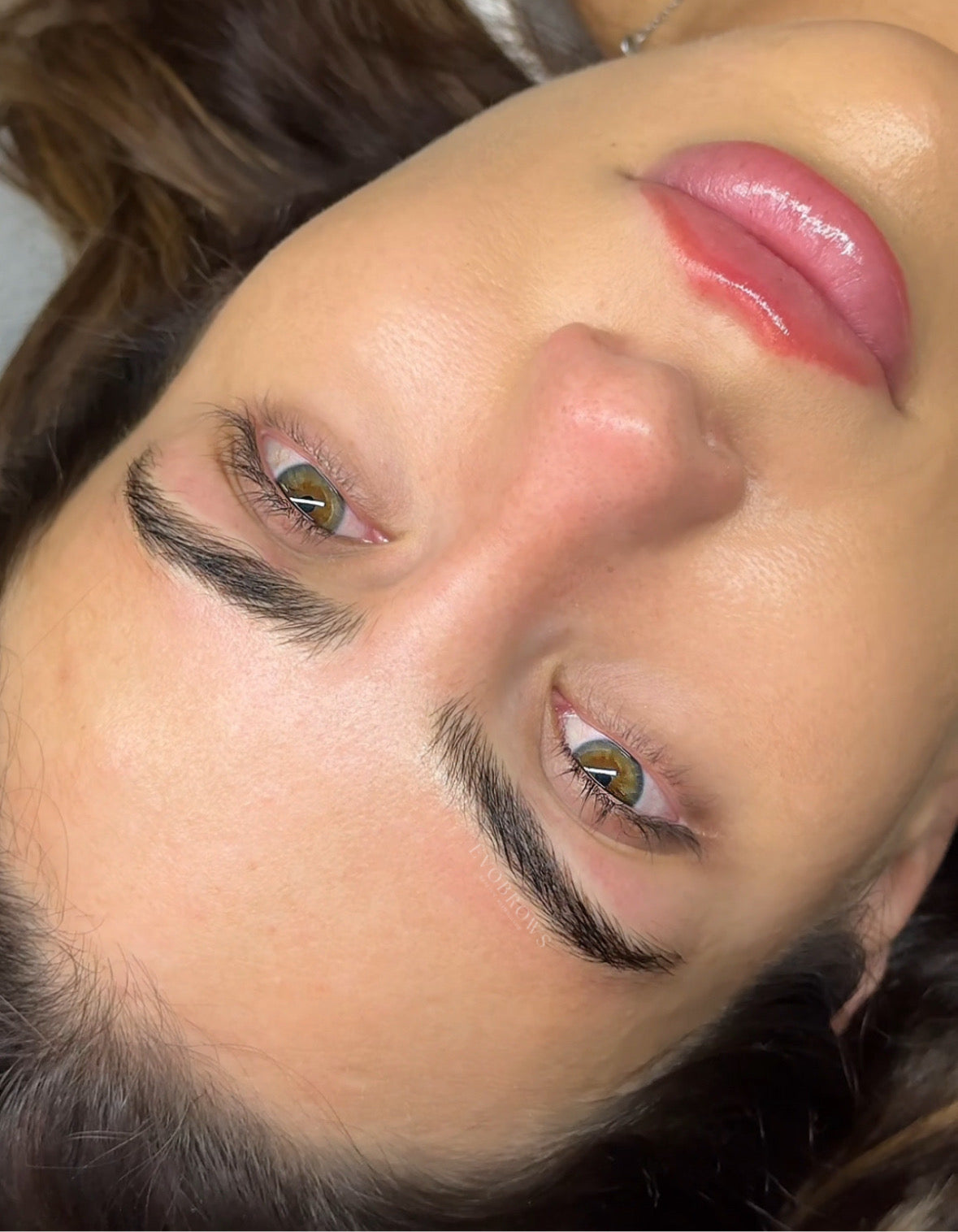
Common Questions About Microblading, Nanoblading, and ÊvoBrows
The EVO Standard is our internal benchmark for what a result must look like—healed, not fresh. We only accept bookings we're confident we can deliver to that standard.
The difference is less about the final look on day one and more about how the work behaves over time. Microblading typically works deeper and relies on multiple passes, while nanoblading uses finer blades and more controlled depth to reduce trauma and support softer healing.
Depth affects everything — how pigment heals, how it fades, and how natural the brows continue to look years later. Work placed too deeply can blur or shift in tone over time, while controlled depth allows strokes to soften naturally as the skin changes.
When done right—absolutely! This is especially true when considering long-term results. Nanoblading focuses on finer strokes and follows the natural direction of brow hair growth, which helps the result blend more seamlessly once healed rather than looking drawn on.
Generally, yes. Both nanoblading and nano machine strokes (nano brows) are gentler on the skin than traditional microblading. The pigment sits shallower and more controlled, so there's less skin trauma, more predictable healing, and less long-term risk of scarring or color change. Microblading works deeper and often needs more passes, which adds trauma—especially on oily or mature skin. That said, no permanent makeup technique is automatically safe. It's only as gentle as the artist's depth control. At ÊVO, every permanent makeup artist is trained in precise depth control through our ÊvoBrows system, with long-term skin health kept the priority.
Nanoblading and nano brows describe a technique. ÊvoBrows is the system built around it. The difference is that ÊvoBrows doesn’t stop at how strokes are created—it considers placement, balance, density, and how the brows are expected to age over time.
On its own, nanoblading doesn’t account for individual facial structure, existing hair patterns, or how pigment will evolve in different skin types. ÊvoBrows was developed to bring those factors into the decision-making process rather than relying on a single method.
That’s the intention. ÊvoBrows is designed with long-term behavior in mind, prioritizing restraint and balance so the brows soften gradually rather than changing abruptly in color or shape.
ÊvoBrows is often chosen by clients who want subtle structure rather than dramatic change. Density is built thoughtfully, without relying on excessive depth or repetition.
That’s determined through consultation. Skin type, lifestyle, previous work, and expectations all matter. ÊvoBrows isn’t applied the same way to everyone, and that flexibility is part of the system.
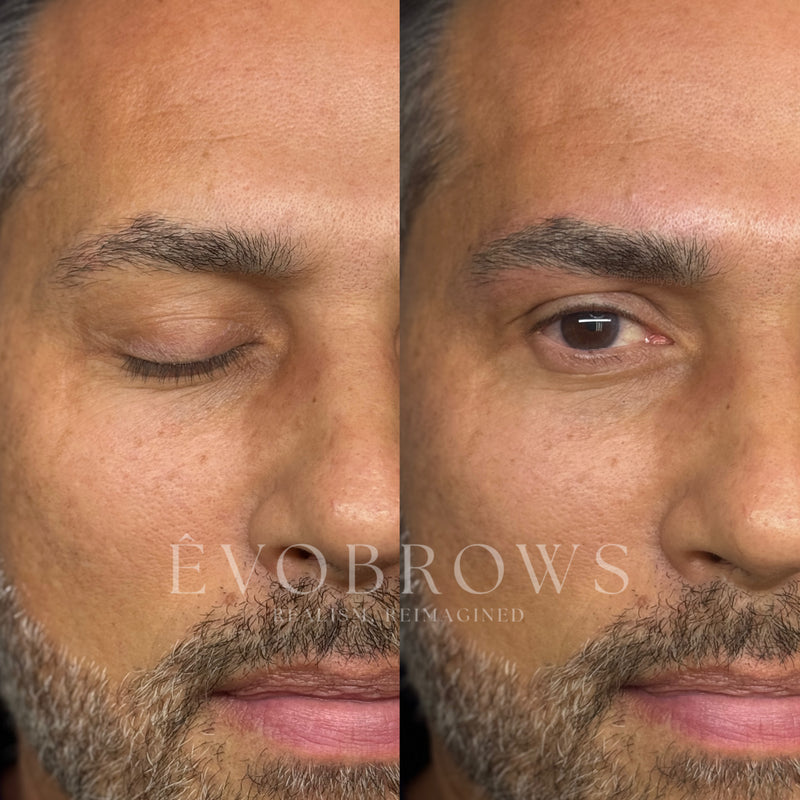
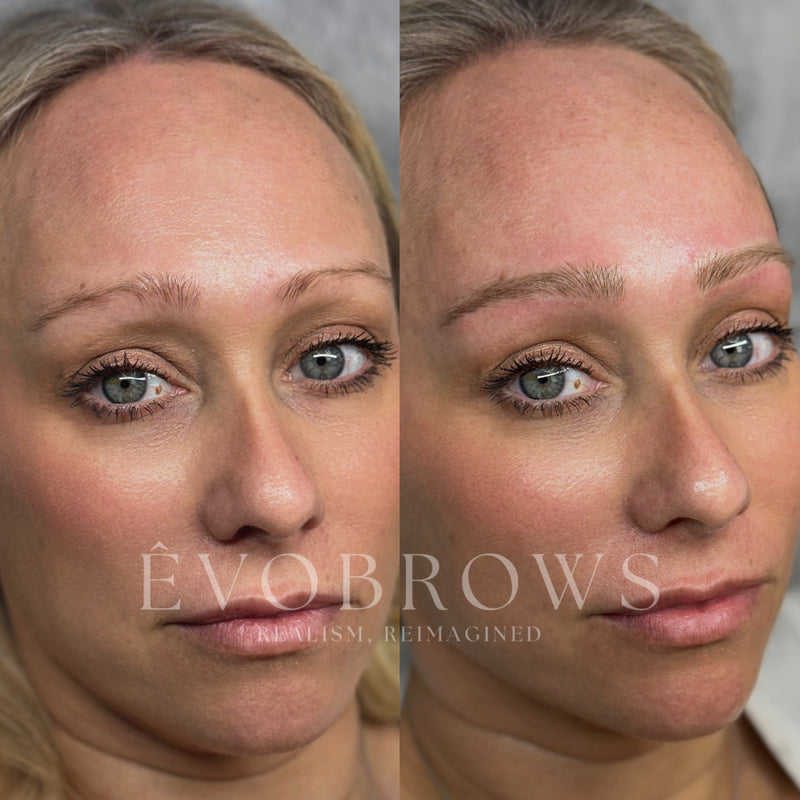
Real results. Thoughtfully designed.
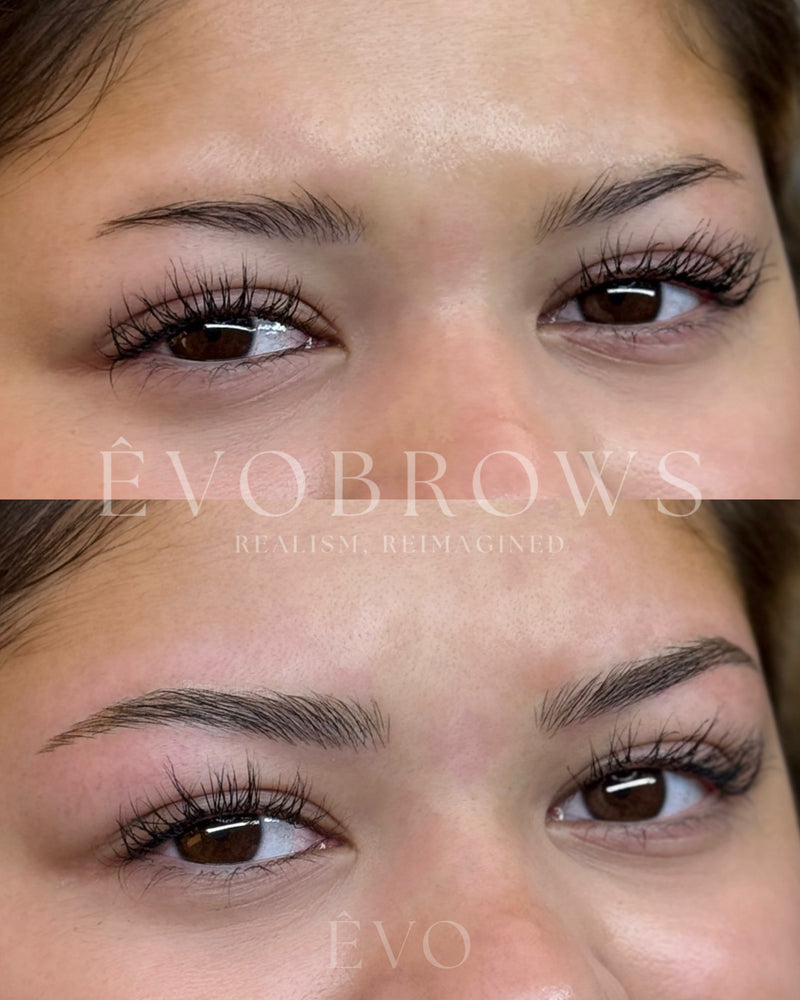
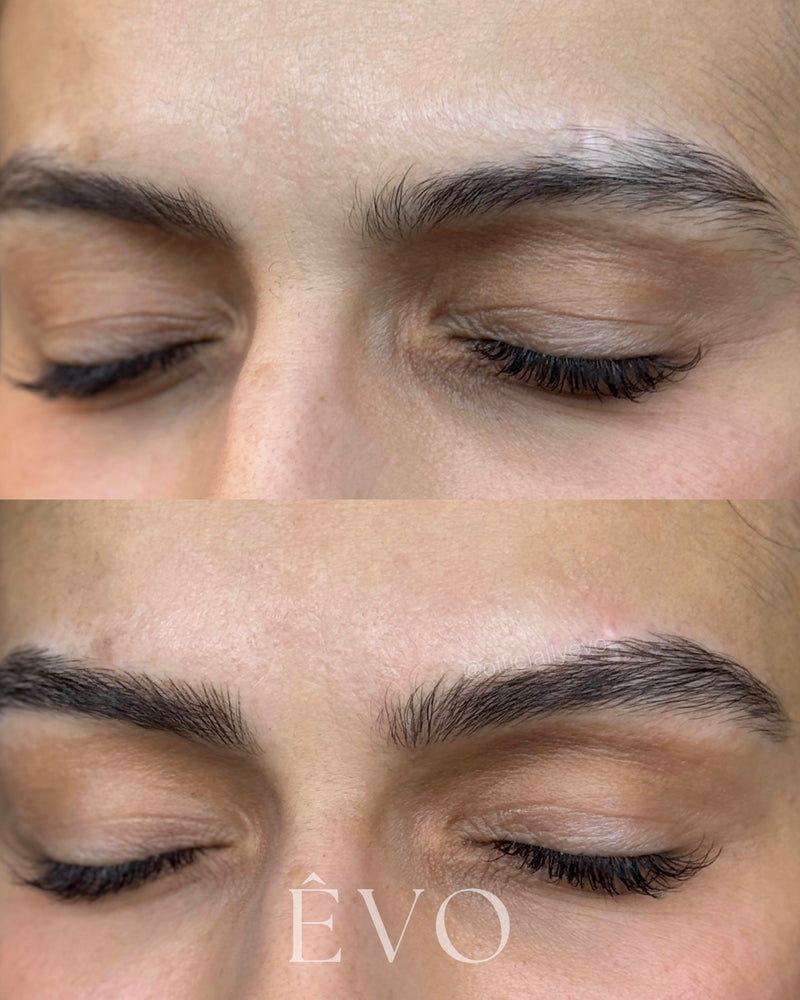
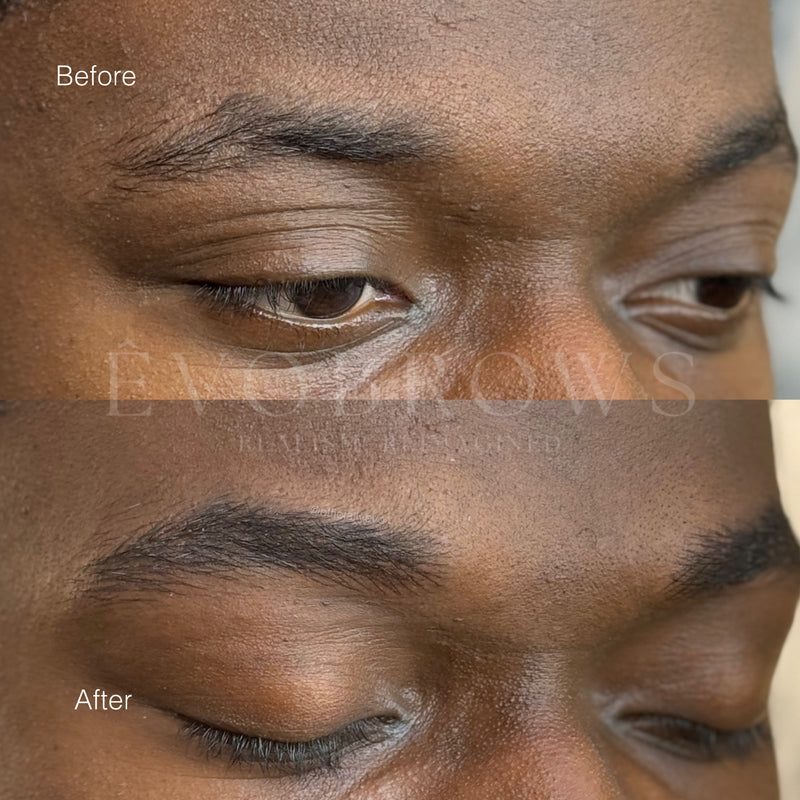
A closer look at our work on our own clients. Work that ages well is intentional.
View Gallery →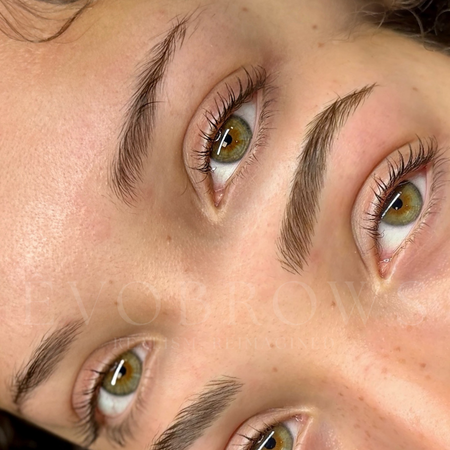
I have questions
Not sure
where to start?
Answer a few questions about what you're after, and we'll point you to the right service or tell you honestly if it's not the right fit. You’ll receive expert guidance, honest recommendations, and a clear next step—without pressure.
Start your consultation